What a Master Tailor Sees That You Don’t: The Art of Fit
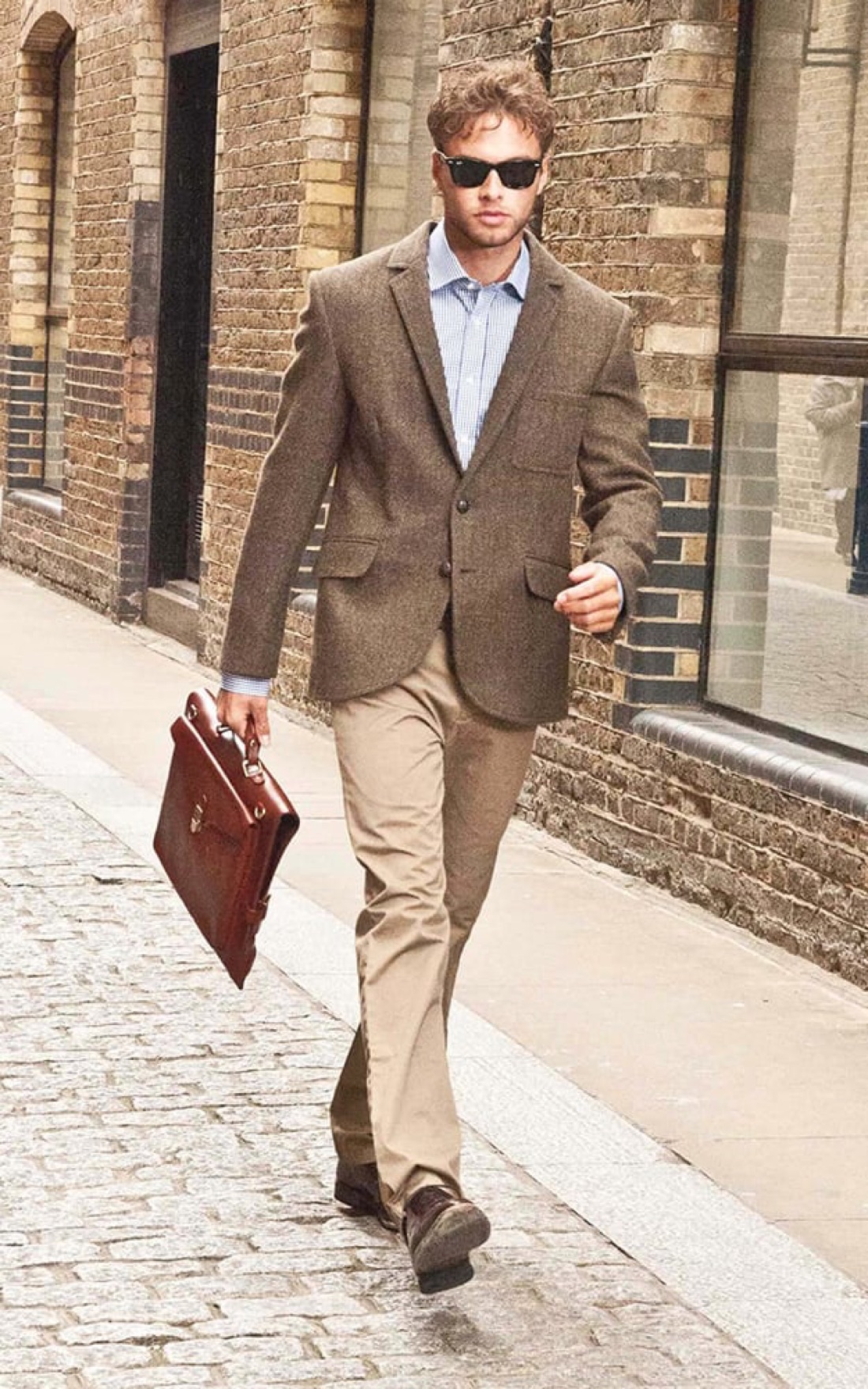
You stand in front of the mirror in a new suit, and something feels off. You can’t quite put your finger on it. The suit isn’t terrible. It’s just not right. The shoulders seem fine. The length looks okay. But somehow, the whole thing doesn’t feel like it belongs to you.
Now imagine a master tailor standing behind you, studying the same reflection. Where you see “fine,” they see a dozen tiny details that are quietly undermining the entire garment. And in those details lies the difference between a suit you wear and a suit that transforms how you carry yourself.
The Invisible Language of Fit
A master tailor with decades of experience doesn’t just look at a suit. They read it. Every wrinkle, every pull, every fold in the fabric tells a story about what’s happening underneath, revealing how your body relates to the garment and where the two aren’t quite in agreement.
Take the shoulder, for example. You might think your jacket shoulders fit because they don’t obviously hang off the edge. But a trained eye sees whether the seam sits exactly at your shoulder point, whether the sleeve head falls cleanly or dimples, and whether the back of the shoulder lies smooth or shows tension lines radiating from the neck. A quarter of an inch in the wrong direction changes everything.
The Collar: Where Most Suits Quietly Fail
The collar is one of the most revealing areas of any jacket, and one of the hardest to get right. If you’ve ever noticed a gap between the back of your shirt collar and the jacket collar, or seen the fabric bunching at the base of your neck, that’s a collar that hasn’t been shaped to your posture.
Everyone’s posture is different. Some people carry their head slightly forward. Others have very upright carriage, or one shoulder that sits marginally higher than the other. A bespoke tailor builds these natural asymmetries into the pattern so the collar sits flat against your neck as if it grew there. It’s invisible when it’s right, and impossible to ignore when it’s wrong.
The Back: A Canvas of Clues
Turn around and a tailor will study the back of your jacket with the intensity of someone reading a map. Horizontal creases below the collar mean the jacket is too tight across the upper back. Diagonal creases running from the shoulder blades toward the side seams suggest the jacket isn’t accommodating your shoulder width. An X shaped crease pattern across the back tells them the jacket is pulling in multiple directions at once.
When the back is right, it’s completely smooth. The fabric cascades from the shoulders without a single unwanted line. You’ll never see it yourself without a mirror, but everyone else will, and the difference between a clean back and a wrinkled one is the difference between looking polished and looking like you’re wearing someone else’s jacket.
The Trouser Break: A Small Detail With Big Impact
The “break” is where your trouser leg meets your shoe, and it’s one of those details that most people never consciously notice but instinctively respond to. Too much fabric pooling at the ankle makes you look shorter and less sharp. No break at all can look clinical. The right break is a gentle fold, just enough to show the trouser is long enough without any excess.
A master tailor will set the break based on the width of the trouser, the height of your shoe, and even the style of the suit. A slim, modern cut might have a shorter break. A classic, fuller trouser might have a medium break. It’s a tiny decision that affects the entire silhouette.
Balance: The Thing Nobody Talks About
Perhaps the most important thing a tailor sees is balance, and it’s almost impossible for an untrained eye to detect. Balance is whether the jacket hangs evenly on your body. Does the front hem sit level? Does one side of the jacket swing forward while the other hangs straight? Is the lapel lying flat or rolling open slightly on one side?
Balance problems are incredibly common in off-the-rack suits because they’re built for a “neutral” posture that almost nobody actually has. When a bespoke tailor builds your suit, they adjust the balance for your specific posture: the way you actually stand, not the way a mannequin stands.
Forty Years of Seeing
At Orhan London Tailoring, this expertise has been refined over four decades. Orhan has spent more than 40 years reading garments, understanding bodies, and making the tiny adjustments that turn a good suit into something extraordinary. It’s not a skill you can rush or shortcut. It’s the accumulation of thousands of fittings, thousands of bodies, and thousands of moments where a trained eye caught what an untrained one never would.
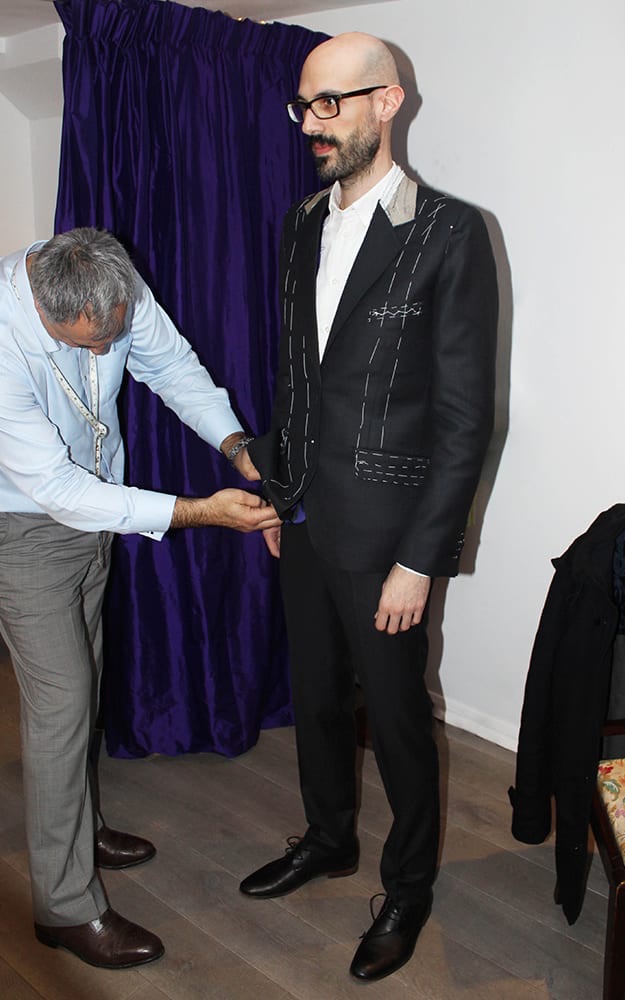
This is the art that sits behind every bespoke suit . Not just the craftsmanship, but the seeing. The ability to look at you in a half-finished garment and know exactly what needs to move, by exactly how much, to make it perfect.
If you’ve ever wondered why some suits just look better than others, even when the fabric and colour are similar, now you know. It’s fit. And fit is what a master tailor does better than anyone. Book a consultation at the Shoreditch studio and experience the difference that 40 years of expertise makes. You’ll see it in the mirror, but more importantly, you’ll feel it.